
How to Save Money on Groceries UK: 20 Tips That Work

Food is the one big household bill you can change this week, with no phone calls, no switching forms and no waiting for a better deal to kick in. Rent is fixed, energy tariffs take time to change, but the next trolley you push is entirely in your hands. This guide gives you twenty practical, UK-specific tips that actually work in Aldi, Lidl, Tesco, Sainsbury's, Asda and Morrisons — with real-number example baskets, a £35 weekly shop plan, and the waste-cutting habits that stop good food (and good money) going in the bin.
First, Know Your Number
Before any tip can help, you need one number: what you actually spend on food each week right now. Not what you think you spend — what your bank app says. Open the last four weeks of supermarket spending, add them up, and divide by four. Most people are surprised, and the surprise usually goes one way: the real figure is higher than the guessed one, because the top-up shops, the meal deals, the "just popping in for milk" trips and the takeaway that got filed under food all count, even when they do not feel like a proper shop.
Once you have your real average, set your target 10% below it — not 30% below it. A target that is too tight gets abandoned by Wednesday, and an abandoned budget saves nothing. If you currently spend £80 a week, aim for £72. If you spend £50, aim for £45. That 10% cut is small enough to hit with the tips below and large enough to matter: £8 a week is £416 over a year, and £5 a week is £260. Write the target on your phone, on the fridge, or in your budgeting app, and check it every Sunday. If you want a full framework for that weekly check, our beginner's budgeting guide shows how to fit food into a complete monthly budget.
| Household (example) | Typical starting shop | 10% target | Yearly saving at target |
|---|---|---|---|
| Single person | £40 a week | £36 a week | £208 |
| Couple | £70 a week | £63 a week | £364 |
| Family of four | £110 a week | £99 a week | £572 |
These are illustrative examples to show the maths, not claims about what any particular household spends. Your number comes from your own bank statements, and your target should fit your household, your dietary needs and your local prices. The point of the table is the principle: a small, sustainable weekly cut compounds into hundreds of pounds a year, and that is before any of the bigger wins below.
The £35 Weekly Shop: An Example Plan
Here is what a single person's £35 week can look like when the tips in this guide are applied together. It is an example built from typical discounter and own-brand prices — your prices will vary by store and region — but it shows the shape of a cheap week: oats and eggs for breakfast, batch-cooked dinners, one "use it up" meal, and almost nothing bought twice.
| Day | Dinner (example) | What it uses |
|---|---|---|
| Monday | Vegetable and lentil soup | Carrots, onions, lentils, stock cubes, bread |
| Tuesday | Chicken thighs with rice and frozen veg | Chicken thighs, rice, frozen mixed veg |
| Wednesday | Bean chilli with rice | Tinned beans, tomatoes, rice, spices |
| Thursday | Pasta with tomato sauce and cheese | Pasta, tinned tomatoes, garlic, cheese |
| Friday | Use-it-up stir fry | Whatever vegetables are left, noodles, soy sauce |
| Saturday | Leftovers or batch-cooked soup, frozen | Freezer portions from earlier in the week |
| Sunday | Roast-style chicken and vegetables | Chicken, potatoes, carrots, gravy |
Notice what is missing from this plan: no daily top-up shop, no premium brand on any staple, no ingredient bought for a single meal and never used again. The two most expensive habits in grocery shopping are not luxury foods — they are waste and repetition. Planning five dinners, not seven, leaves room for leftovers and freezer meals to fill the gaps, which is exactly how a £35 week stays a £35 week instead of drifting to £50 by Thursday. For more on building a food budget that survives real life, see our guide to saving money fast on a low income, which covers the same weekly discipline alongside benefits and bill savings.
Tips 1–5: Plan Before You Shop
Tip 1 — Plan five dinners, not seven. Seven planned dinners assume you eat at home, on schedule, every single night. Real weeks include a takeaway, a meal out, a late night at work and a fridge full of leftovers. Planning five dinners and letting leftovers and freezer portions cover the other two nights is not laziness — it is the single most effective anti-waste habit in this guide. The two unplanned nights are already paid for by food you have bought; planning seven means buying food for nights that never happen.
Tip 2 — Shop your cupboards first. Before you write a list, open the cupboards, the fridge and the freezer and build the week's meals around what is already there. Half a bag of pasta, three tins of tomatoes, a bag of frozen peas and some spices are already a week's worth of dinners waiting for a plan. This one habit stops the most common grocery waste of all: buying a second jar of something you already own, while the first one quietly expires at the back of the shelf.
Tip 3 — Write the list, and treat it as a contract. A list written at home, from a meal plan, is a spending decision made when you are calm and full. A trolley filled without one is a spending decision made when you are hungry, tired and surrounded by marketing. Write the list by aisle if you can, stick to it in the store, and give yourself one rule for extras: if it is not on the list, it waits until next week unless it is a genuine yellow-sticker bargain you will freeze the same day.
Tip 4 — Never shop hungry. It sounds like a joke, and it is the oldest tip in grocery saving, but it survives because it works. Hunger makes every snack, every ready meal and every "treat yourself" item look reasonable. Eat before you shop, or at least take a snack, and the trolley fills with the list instead of with cravings. If you shop online, the same rule applies in a different form: do not build a basket late at night when willpower is lowest.
Tip 5 — Set a "food envelope" for the week. Whether you use cash, a separate bank pot or a budgeting app, ring-fencing the weekly food budget makes it visible. When the pot runs out, the week is done — no silent drift onto the credit card. This is the same envelope idea behind cash stuffing, applied to one category, and it works even if you pay by card: a Monzo pot, a Starling space or a simple note on your phone does the same job as physical envelopes. The visibility is the point, not the payment method.
Tips 6–10: Shop Smarter in the Store
Tip 6 — Downshift one brand level. Supermarket ranges usually run in tiers: premium, branded, own-brand, and value. Dropping one level — premium to branded, or branded to own-brand — on staples like pasta, rice, tinned tomatoes, oats, flour and cleaning products rarely changes the taste in a noticeable way, because the same factories often make both versions. Keep the brands you genuinely love and can taste the difference on, and downshift everything else. The swap table later in this guide shows how quickly those small differences add up across a whole basket.
Tip 7 — Compare price per kilo, not pack price. The shelf-edge label shows the price per 100g or per kilo, and it is the only honest way to compare packs of different sizes. A bigger pack is not always cheaper per kilo, and a "value" pack can cost more per unit than the standard one next to it. This matters most on cheese, meat, coffee, washing products and anything sold in three different pack sizes. Train yourself to glance at the small number first and the big number second, and you will stop paying a premium for packaging.
Tip 8 — Shop the yellow-sticker section, then freeze it. Reduced-to-clear items, usually marked down in the evening, are the cheapest real food in any supermarket — often 50% to 75% off. The trick is timing and discipline: go late in the day if you can, buy reductions you will actually cook or freeze that same evening, and never buy a reduction just because it is cheap. Bread, meat, fish and ready meals all freeze well, and a freezer full of yellow-sticker portions is a buffer against expensive weeks later. Check the use-by date, freeze on the day of purchase where the label says to, and label the bag so you know what it is in a month's time.
Tip 9 — Try a discounter for your basics. Which?'s monthly supermarket price comparisons regularly place Aldi and Lidl among the cheapest UK supermarkets for a typical weekly shop, and the gap against the big four can be substantial on a like-for-like basket. You do not have to move your whole shop: try buying your staples — milk, bread, eggs, vegetables, tinned goods, cleaning products — at a discounter for a month and compare the receipt against your usual store. Many shoppers keep a split shop permanently: discounter for basics, usual supermarket for the handful of items only it stocks.
Tip 10 — Use loyalty prices on things you already buy. Tesco Clubcard prices, Sainsbury's Nectar prices and similar schemes are only a saving if you were going to buy the item anyway. The trap is buying something because it is on loyalty offer, not because you need it. The discipline is simple: scan your loyalty card or app every time, take the lower price on your list items, and ignore the offers on everything else. Loyalty points themselves are a slow bonus — save them for a bigger redemption rather than spending them on impulse items at the till.
Tips 11–15: Waste Less, Freeze More
Tip 11 — Batch cook and freeze in portions. Cooking double on Sunday and freezing half turns one evening's effort into two or three future dinners that cost nothing extra and take five minutes to reheat. Soups, stews, chilli, curry and pasta sauce all freeze brilliantly. Freeze in single portions, not one giant container, so you can defrost exactly what you need and never throw away a half-defrosted block. Label everything with the dish and the date, and eat the oldest portions first — a freezer you cannot navigate is just a colder bin.
Tip 12 — Learn the date labels properly. "Use by" is about safety and applies to meat, fish and dairy — do not eat past it. "Best before" is about quality and applies to most dry, tinned and frozen food — it is often perfectly fine after that date if it looks and smells right. Confusing the two throws away safe food. The official food-waste programme Love Food Hate Waste has clear guidance on this distinction, and learning it once can save you from binning tins, pasta and biscuits that were never unsafe in the first place.
Tip 13 — Run one "use it up" meal every week. Pick the night the fridge looks fullest — usually Friday — and cook only from what is already there: leftover vegetables become stir fry, curry or soup; stale bread becomes breadcrumbs, croutons or bread pudding; cooked rice becomes fried rice; roast chicken becomes sandwiches and then stock. A weekly use-it-up meal is a safety valve for the whole plan: it catches the ingredients that would otherwise expire, and it costs almost nothing because every ingredient is already bought and paid for.
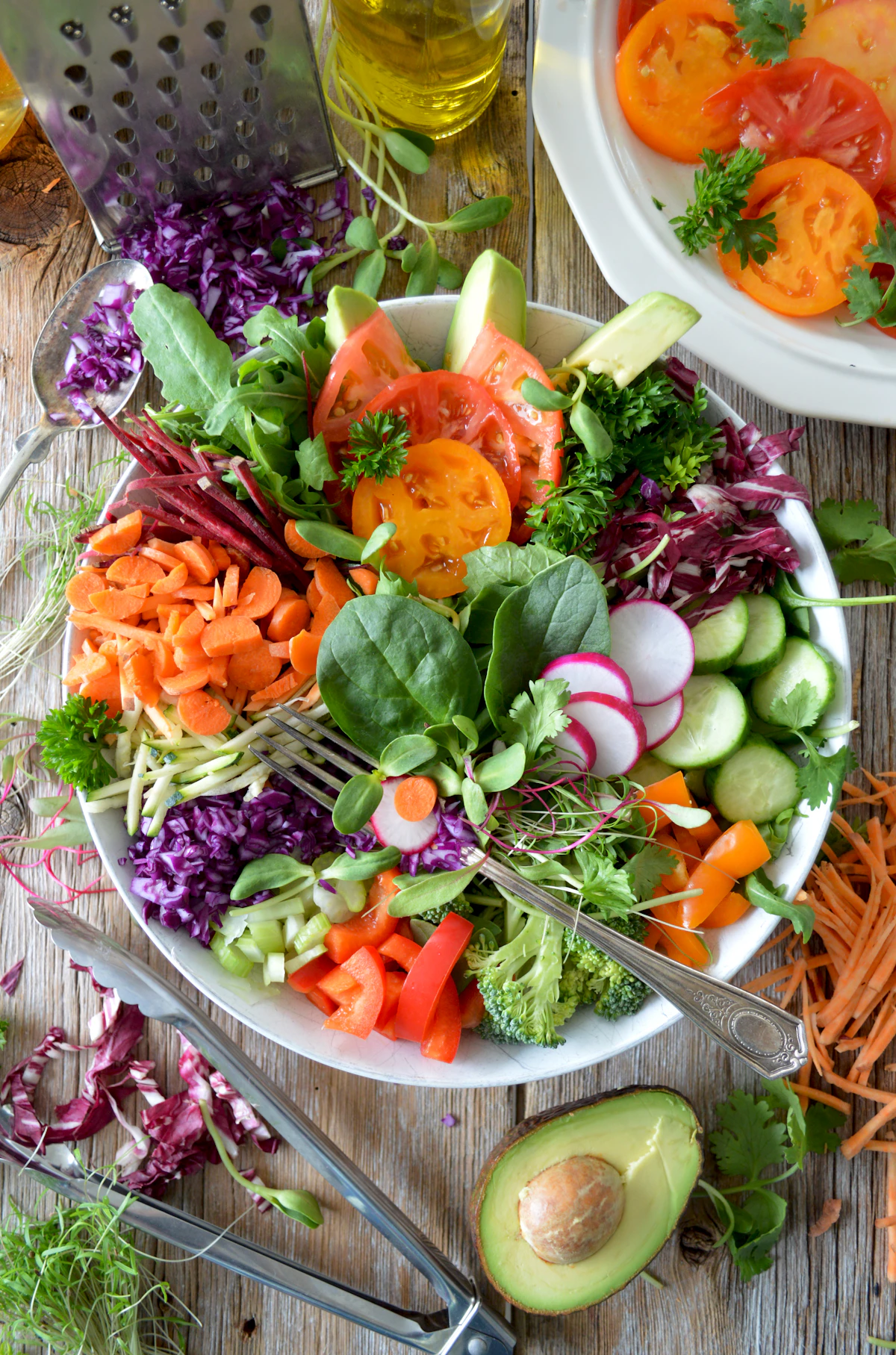
Tip 14 — Buy seasonal and frozen vegetables. Strawberries in January and asparagus out of season carry import prices; the same vegetables in season cost a fraction. Seasonal eating is not a sacrifice — it is how British food has always worked, and seasonal produce usually tastes better too. Frozen vegetables deserve the same respect: they are picked and frozen at peak freshness, they cost less per kilo than fresh, they never go off in the fridge, and you can use exactly the portion you need. A bag of frozen mixed veg and a bag of frozen berries cover half your five-a-day with zero waste.
Tip 15 — Store food so it lasts. A surprising amount of waste is a storage problem, not a buying problem. Bread freezes perfectly — slice it first so you can take out two slices at a time. Herbs last weeks in a jar of water in the fridge. Potatoes and onions need separate, dark, dry places or they spoil each other. Milk can be frozen. Cheese wrapped properly lasts far longer than cheese left in an open packet. Small storage habits like these extend the life of what you already bought, which is the same thing as buying less next week.

Tips 16–20: Apps, Loyalty and the Final Audit
Tip 16 — Use food-waste apps for surplus bargains. Too Good To Go sells surplus food from supermarkets, bakeries and restaurants at a steep discount, typically as a "magic bag" of whatever is left at closing time. Olio lets neighbours share surplus food for free. Neither replaces a weekly shop, but both are excellent for cheap extras — bread, pastries, fruit and vegetables that would otherwise be thrown away. Treat them as a bonus, not a plan: check the app, collect nearby, and freeze anything you cannot use straight away.
Tip 17 — Stack cashback on top of the shop you already do. Receipt-scanning and click-through cashback apps pay you back on purchases you were making anyway, and grocery cashback is one of the easiest kinds to earn because the spending is regular. Our cashback apps guide compares the UK options by type — click-through, gift-card and receipt-scan — and explains the payout timing honestly, because click-through cashback can take weeks to confirm while gift-card discounts are instant. Stacking cashback on top of loyalty prices and yellow stickers is how the same shop gets cheaper three times over.
Tip 18 — Shop online when the aisles tempt you. If you consistently overspend in store, try an online shop for a month. Online baskets show a running total, make it easy to compare prices per kilo, and remove every impulse display at the till and the end of the aisle. The delivery charge is real, so compare it against what you usually overspend in store — for many people the delivery fee is smaller than the impulse spending it prevents. Delivery passes and minimum-basket offers can cut the fee further if you shop weekly.
Tip 19 — Keep takeaways out of the grocery budget. Takeaways are not groceries, and hiding them inside the food budget is how a £35 weekly shop quietly becomes £70. Give takeaways their own small, visible limit — for example, one takeaway a fortnight — and pay for it separately so you can see it run out. This is not about banning takeaways; it is about honest accounting. A takeaway you chose and budgeted for is a treat. A takeaway that ate your grocery budget by accident is a leak, and leaks are what this whole guide is for.
Tip 20 — Audit the shop once a month. Once a month, spend ten minutes with your receipts or bank app and ask three questions: what did I throw away, what did I buy twice, and what did I buy that nobody ate? The answers tell you exactly which tip to focus on next month. If waste is the problem, go back to tips 11–15. If impulse buying is the problem, go back to tips 3, 4 and 18. If the shop itself is expensive, go back to tips 6–10. The audit turns a one-time read of this guide into a habit that keeps working, and it is the difference between saving money once and saving money every week. If a single category keeps breaking the budget, a short no-spend challenge on that category is a useful diagnostic: thirty days without it shows exactly what it was costing and whether you missed it at all.
The Downshift Table: What Swapping Saves
The table below is an illustrative example, built from typical UK price gaps between branded and own-brand versions of everyday items. Your prices will differ by store, but the pattern holds everywhere: the saving on any single item is small, and the saving across a whole basket, every week, is not.
| Item (example) | Branded (example) | Own-brand (example) | Weekly saving |
|---|---|---|---|
| Baked beans, 4-pack | £1.90 | £1.10 | £0.80 |
| Loaf of bread | £1.60 | £0.90 | £0.70 |
| Cheddar, 350g | £3.50 | £2.20 | £1.30 |
| Breakfast cereal | £3.00 | £1.70 | £1.30 |
| Toilet rolls, 9-pack | £4.50 | £2.80 | £1.70 |
| Total, this example basket | £5.80 a week — £302 a year |
That £302 a year comes from five swaps, on five items, with no change to what you eat — just to whose label is on the packet. Add the 10% budget target, the yellow-sticker freezer stock and the waste you no longer throw away, and a household that started at £80 a week can realistically reach £60–£65 without eating worse. Not every swap will suit you — keep the brands you can genuinely taste — but every swap you do make pays you every single week, automatically, for as long as you keep making it.
UK vs USA: What Changes
This guide is written for UK shoppers, but the habits travel well. The main differences are the tools, not the principles. In the UK, the cheapest shops are usually Aldi and Lidl, loyalty means Clubcard and Nectar, and the best surplus apps are Too Good To Go and Olio. In the USA, the equivalents are Aldi and Costco for low prices, Ibotta and Fetch Rewards for receipt cashback, and store apps from Kroger or Safeway for digital coupons. Unit pricing exists in both countries, own-brand downshifting works in both, and food waste costs money in both. If you shop in the USA, apply the same twenty tips and simply swap the store names — the structure of a cheap week does not change at the border. For the full USA picture, our USA cost of living guide breaks down what American households actually spend each month.
Your 30-Day Grocery Action Plan
Week 1 — Measure. Add up the last four weeks of food spending, set a target 10% lower, and write a meal plan for five dinners. Shop with a list, once, and note what you spent against the target.
Week 2 — Downshift. Swap five branded staples for own-brand versions and compare the receipt with last week's. Visit the yellow-sticker section once, late in the day, and freeze what you buy. Start a freezer list on the fridge door.
Week 3 — Cut waste. Run a use-it-up meal, learn the use-by versus best-before distinction, and move bread, herbs and leftovers into proper storage. Check what you threw away this week and why.
Week 4 — Audit and lock in. Compare four weeks of spending against your starting average. Keep the swaps that worked, drop the ones that did not, set up cashback on your regular shop, and give takeaways their own separate limit. Whatever you saved in week 4 is your new baseline — and next month's audit starts from there.
5 Mistakes That Undo the Savings
Buying in bulk what you do not use. Bulk is only cheaper if you finish it before it expires. A giant bag of salad that wilts in three days costs more than a small bag you actually eat. Bulk works for rice, pasta, tins and frozen food; it fails for fresh food with a short life.
Chasing offers instead of needs. "Three for two" on something you would buy once is not a saving — it is two extra items you now have to store, use or throw away. The offer only saves money if all three get eaten before they expire.
Shopping without a list "just for a few things". Top-up shops are where budgets leak, because every visit adds unplanned items. One proper weekly shop plus one planned top-up beats five unplanned trips, even if the weekly shop feels bigger.
Keeping the savings invisible. If the money you save on groceries just dissolves into other spending, you have not saved anything — you have rearranged it. Move the weekly saving, even £5, into a savings pot the same day, so the grocery win becomes a visible balance going up.
Setting a budget so tight it breaks. A food budget that leaves no room for a treat, a birthday or a bad week will be abandoned, and an abandoned budget saves nothing. Build in a small buffer, forgive a bad week, and restart the next one. Consistency over months beats perfection for a fortnight.
Frequently Asked Questions
Which supermarket is the cheapest in the UK?
Which?'s monthly price comparisons regularly place Aldi and Lidl among the cheapest UK supermarkets for a typical weekly shop, though the exact winner varies month to month and by basket. The practical answer is to compare your own basket: shop your staples at a discounter for a month and compare the receipt with your usual store, because your basket is the only one that matters.
How much should I spend on groceries each week in the UK?
There is no single right figure — it depends on household size, location, dietary needs and income. As a starting point, work out your current average from four weeks of bank statements, then set a target 10% below it. The illustrative examples in this guide (£40 for one person, £70 for a couple, £110 for a family of four) are examples to show the maths, not targets to copy blindly.
Is online grocery shopping cheaper than in store?
It can be, mainly because it removes impulse buys and shows a running basket total — but delivery charges count too. Compare a month of online shops, including delivery, against a month of in-store shops. If your in-store overspend is bigger than the delivery fee, online wins; if you are disciplined in store, it may not.
How much food waste can I realistically cut?
Most households can cut waste sharply with just three habits: planning five dinners instead of seven, running a weekly use-it-up meal, and learning the difference between "use by" and "best before". You will not reach zero waste, and you do not need to — every item you stop throwing away is money you already spent, recovered.
Do cashback apps really save money on groceries?
Yes, on spending you were doing anyway — but treat them as a bonus, not a reason to buy more. Receipt-scan and gift-card cashback on a regular shop adds up over a year, while click-through cashback can take weeks to confirm. Never buy an item just for the cashback; the cashback should follow the purchase, not cause it.
For help beyond groceries, MoneyHelper's free budget planner can turn your weekly food target into a full monthly budget, Love Food Hate Waste's guidance at lovefoodhatewaste.com explains date labels and storage in detail, and GOV.UK's cost of living support pages list help available if food costs are genuinely unaffordable. If you are struggling to afford food, those official sources — and your local council's support pages — matter more than any tip in this guide, and there is no shame in using them.